

Front Door Lock Barrel Replacement
Front door lock barrel replacement is a relatively simple DIY task that can save you the expense of calling locksmiths. You can buy kits that include everything you need for the task.
You'll need a new barrel for a cylinder lock and a reliable screwdriver set and pliers or hammers for added grip and a oil lubricant.
Length
There are a variety of lock barrel options to choose from to ensure your front door is secure. When choosing a new lock barrel type the length of the cylinder can be vital to the security of your home. Cylinders that protrude too far are more likely to snap, whereas those that are too small can prevent you from turning your key to unlock doors. There are a variety of ways to determine the length of a cylinder, to ensure that you purchase an alternative cylinder that provides the maximum protection for your door.
www.repairmywindowsanddoors.co.uk to determine the correct length of cylinder is to remove the existing one from the door. Make use of a screwdriver to take out the screws that hold the lock cylinder in place. Once the cylinder is removed, you can measure from the screw hole in the middle of the cylinder to edge of the handle plate on the inside of door. Include the thickness of the plate as well. You can also determine the length of the threaded shaft that is on the new cylinder to determine its size.
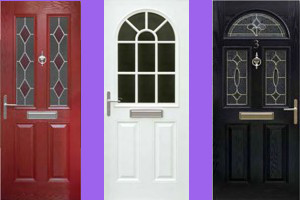
After determining the length of the cylinder, you can then install it inside your door. Start by using a drill to create an opening for the face of the door. This is the hole where the handle will go. It should be a little larger than the diameter of the new cylinder. Then, attach the interior handle or knob to the new handle and make sure it goes through the spindle of the latch, and turns smoothly when you turn it.
When replacing a deadbolt, it is recommended that you must also replace your strike plate. The strike plate is a piece of metal that is attached to the doorjamb, which locks into the deadbolt once the key is pushed into. It's important to replace the strike plate with a more secure version that is more difficult to breach. Choose a strike plate with a reinforced design that can protect against kick attacks. Also, use screws that are at least 2.5-3 inches long to ensure that they get deep into the doorjamb.
Design
The lock cylinder is component of the front door lock that you utilize to open or close the handle. It has pins that move into position when you insert the key. When it comes to choosing the correct lock cylinder, you'll need to know some things. It's important, for example to determine the length of your cylinder locks that you have in place so that you can order the right size. It is also important to consider any furniture for doors, like handles or escutcheons.
Euro Cylinder locks are commonly used in homes, and they're available in many different designs. Certain double cylinder locks offer security on both sides of doors. They're often fitted to doors that require greater security than standard ones, and they're also used in commercial spaces. If you're looking for a new lock, ensure that it's British Standards approved and meets the following requirements:
Anti-Snap - A burglar can try to snap a cylinder by applying pressure to the exterior of the door. To prevent this from happening, a thin strip of sacrificial material should be cut into the cylinder.
Anti-Drill: Some burglars attempt to cut holes in the lock in order to gain entry into homes. To avoid this the pins of a cylinder should be made of hardened metal.
If you are searching for a new cylinder, you must also ensure that it's anti-drill. This will stop a burglar from drilling into the plug using an electric drill and then breaking it up.
If you've decided to purchase a new cylinder lock, you'll have to gather the required materials for installing it. Included in this are a screwdriver suitable for the task as well as a hammer to provide extra grip, and pliers. It is also recommended to have fluid to ensure that the mechanism is operating smoothly. Be aware that changing locks on a uPVC isn't easy. If you're not confident in doing it yourself, it's best to seek out a locksmith or expert for assistance.
Keyway
Keyway is the shape that the interface between pins on the cylinder and the key adopts. The key's "blade" has a series grooves and ridges running down its length. When the key is inserted, they align with the pins of the cylinder. The cylinder will only move if it is sure that the key is the correct one.
Each lock brand has a different keyway, which allows it to be locked or unlocked with the use of a specific key. Within a single brand, there are different shapes and sizes available. This ensures a certain level of security between locks because keys from the same brand can't be used to open each other's.
In most residential settings the latch is operated by an adjustable lever that can be pushed or lifted in order to release the bolt. This is often more ergonomic than a knob which requires you to turn it. However certain commercial settings utilize knobs to provide additional security.
When the correct key is put in, a set of spring-loaded of pins shifts into position so that the plug can rotate. The pins also align with grooves in the blade of the key, which allows them to recognize the correct key and denying access. If the cylinder is operated incorrectly, or if the key is a wrong fit the pins will shift to the control shear line instead of the operating shear line, and the lock will be unable to open.
In this particular image, it's likely that the cylinder was previously re-keyed, a process where the pins that are in place are moved upward to the proper height so that the key can freely move within the cylinder. This is typical when a key needs to be moved from one lock to the next in the dormitory. It is not uncommon for people to have their locks re-keyed when they move houses or to allow access to a new roommate or employee without needing to change all locks to the same key. This is a cost-effective way to improve security for your home. It can be accomplished by simply changing the key for the cylinder.
Installation
It is simple to replace a lock barrel in the door made of uPVC. The first step is to locate the screw underneath the lock on the edge of the door. It is usually distinct from the other screws as it has a different color. Then, remove it with a Phillips screwdriver. Then, insert the new barrel into the final slot. After that, you can put the knob that was previously used with the new barrel and push rod back into position. Before reassembling, it is important to check that each part is oriented correctly (the barrel and push rod as well as the spring/lever housing).
With a screwdriver, you can easily remove the knob and handle to gain access to the lock body. The cylinder can be removed by turning it counterclockwise. You can now either remove the cylinder and have it "re-keyed" or leave it in the position it is in. Re-keying will not change the pins of the cylinder. It will simply shift them into the proper position with the key that matches.
Another option is to take the cylinder off and replace it with a new. If you choose this option it is essential to use the same size as the old cylinder and make sure that the pins are placed correctly in order for your lock to work correctly. It is also a good idea to use the lubricant on your new cylinder after it has been installed to ensure that everything operates smoothly.
The process is a bit more difficult if you own a mortise set. This type of lock is set inside the pocket (mortise) cut into the side of the door, therefore it requires careful measurement and maybe a few attempts to get the bolt and latch sections to align. When the latch and bolt sections are aligned then you can take off the strike plate, which is secured on the sides and the bottom of your door frame by screws.